


Practice Logo Image
LIOMS
LOGO Photo

Contact us today to schedule your appointment!

Mineola Office
Port Washington Office
Practice Logo
134 Mineola Blvd., 3rd FL
Mineola, NY 11501
Practice Logo
134 Mineola Blvd., 3rd FL
Mineola, NY 11501

TMJ Treatment on Long Island

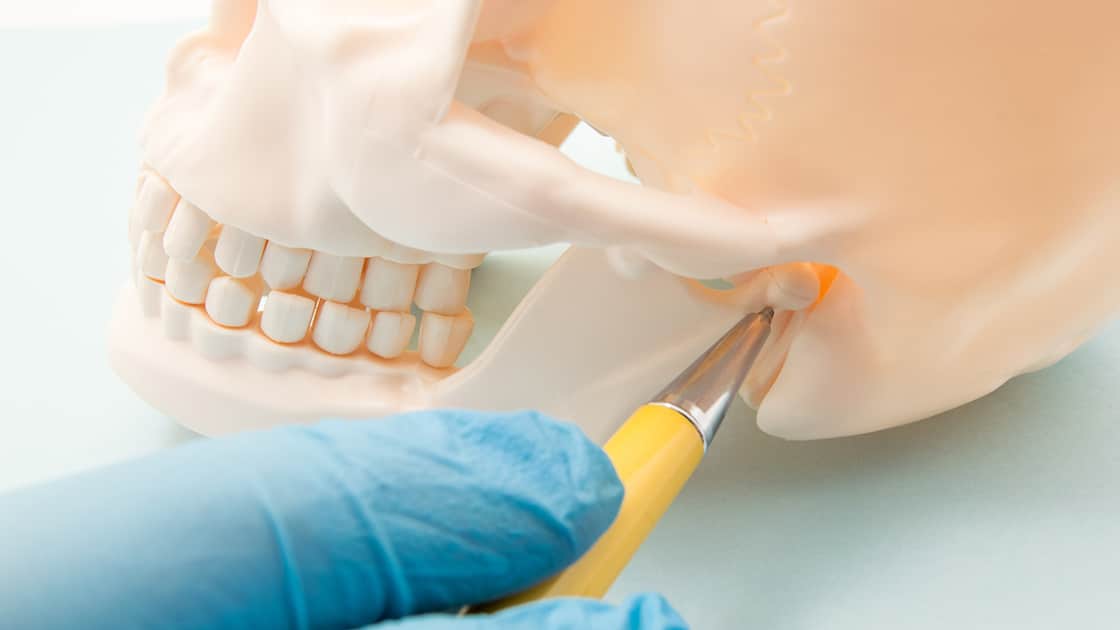
TMJ Treatment Photo

Long Island Oral & Maxillofacial Surgery provides TMJ Treatment in Mineola & Port Washington, NY. Contact us to learn more and schedule an appointment.

What is TMJ Treatment?

TMJ (temporomandibular joint) treatment addresses conditions affecting the jaw joint and surrounding muscles, which can lead to pain and dysfunction. Our comprehensive approach includes diagnosis, management, and therapeutic interventions to restore comfort and function. Whether through medication, therapy, or surgical options, our goal is to tailor the best solution for your specific needs.

Why Choose Long Island Oral & Maxillofacial Surgery?

Choosing Long Island Oral & Maxillofacial Surgery for TMJ treatment means placing your trust in one of only three accredited facilities in New York State, recognized by the American Association for Accreditation of Ambulatory Surgery Facilities (AAAASF). Our board-certified surgeons, Dr. Meneshian and Dr. Fauvell, bring extensive expertise in managing TMJ disorders, ensuring you receive the highest quality care. With support from a team of skilled DAANCE-certified surgical assistants, we are dedicated to offering a safe and compassionate environment tailored to your needs. Your comfort and recovery are our top priorities as we strive for exceptional outcomes for every patient.

Signs You Need TMJ Treatment

Jaw Pain

Persistent discomfort in your jaw area can be a sign of Temporomandibular Joint (TMJ) disorder. This type of pain often worsens with movements such as chewing, speaking, or even yawning. It may range from a dull ache to sharp, stabbing pains, and can sometimes extend to surrounding facial areas.

Clicking or Popping Sounds

Audible sounds like clicking, popping, or grating when opening or closing your mouth could indicate a misalignment or dysfunction in the joint. This might not always be painful, but it can lead to discomfort and further issues if left unchecked.

Limited Jaw Movement

Difficulty in opening your mouth wide or experiencing a locked jaw, where it feels stuck in an open or closed position, may point to a TMJ issue. This restriction in movement can interfere with eating, speaking, and other daily activities, leading to frustration.

Chronic Headaches

Frequent unexplained headaches, particularly those that seem to originate from the temples or radiate from the jaw, may be linked to TMJ dysfunction. This is often due to tension in the jaw muscles, which can trigger tension-type headaches or exacerbate migraine symptoms. Managing jaw tension can sometimes alleviate these headaches.

Frequently Asked Questions About TMJ Treatment

What causes TMJ disorders

TMJ disorders can arise from a variety of factors, including physical injury to the jaw, arthritis leading to joint inflammation, chronic teeth grinding (bruxism) which can wear down the joint, and stress-related muscle tension that causes strain in the jaw area. Other contributing elements might include genetic predispositions or misalignment of the teeth or jaw.

How is TMJ diagnosed?

Diagnosis of TMJ disorders involves a thorough clinical examination where a healthcare provider checks for pain or tenderness around the jaw. Imaging tests like X-rays, MRIs, or CT scans may be utilized to gain a detailed view of the jaw structure and surrounding tissues. Additionally, patient history is analyzed to determine habits or previous injuries that might have influenced the disorder's development.

What are the non-surgical treatments available?

Non-surgical treatment options for TMJ disorders include medications such as pain relievers and anti-inflammatories to manage symptoms. Physical therapy may be recommended to strengthen jaw muscles and improve range of motion. Bite guards or splints can help reduce teeth grinding during sleep. Lifestyle modifications, like stress management techniques and dietary changes to avoid hard foods, can also provide relief.

When is surgery necessary for TMJ?

Surgery is considered as an option for TMJ disorders when conservative treatments fail to alleviate symptoms, or when there is significant structural damage or dysfunction within the jaw joint. Surgical procedures might involve arthroscopy to remove inflamed tissue or repair damaged areas, or more complex joint replacement surgeries in severe cases.

Can TMJ disorders be prevented?

While not all TMJ disorders can be prevented due to their varied causes, certain measures can help reduce the risk. Managing stress through relaxation techniques, avoiding excessive jaw movements like chewing gum or biting nails, and using protective dental appliances, such as night guards, can help minimize potential contributing factors.

How long does TMJ treatment take?

The duration of TMJ treatment varies widely depending on the severity of the condition and the chosen treatment interventions. It may range from a few weeks for mild cases with simple interventions to several months if the condition is more severe or if surgical options are pursued.

Will my insurance cover TMJ treatments?

Insurance coverage for TMJ treatments can differ significantly depending on your provider and specific plan. To ensure clarity, we recommend contacting your insurance company to confirm which procedures are covered. Our office is here to assist you in navigating your insurance benefits, ensuring you have a clear understanding of your coverage and costs before undergoing any treatments.

Can BOTOX help TMJ issues?

Yes, it helps with muscle spasms commonly associated with TMJ disorders because the joint is not perfectly sound or aligned. Addressing the underlying tension and imbalance in the joint can reduce discomfort and improve overall functionality, providing relief from the associated muscle pain.

Call Long Island Oral & Maxillofacial Surgery

Start your journey to relief today. Contact Long Island Oral & Maxillofacial Surgery at 516-294-9696 to schedule your consultation and explore effective TMJ treatment options.

Contact one of our offices today to schedule your appointment!

Mineola Office
134 Mineola Blvd., 3rd FL
Mineola, NY 11501
Port Washington Office
14 Vanderventer Avenue, Suite 260
Port Washington, NY 11050
Appointment Request
First Name
Last Name
Sending